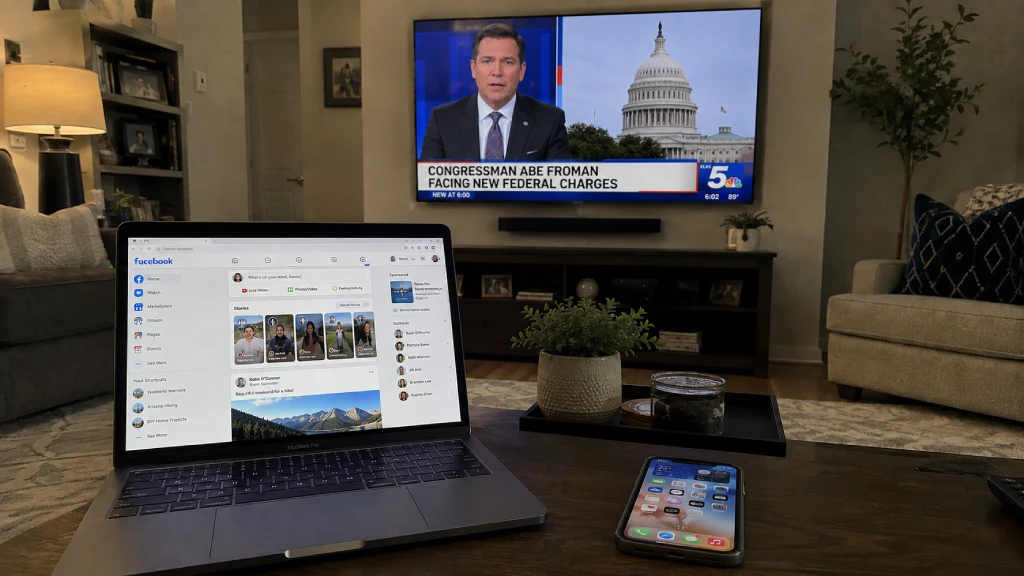
We inhabit two worlds every day.
There is the offline world, the real space, where we breathe in cool air, have delicious meals, and shake the warm hand of an acquaintance. Then, with our devices as portals, we venture into the online world while orbiting the real space. The virtual world is shaped by algorithms. It connects us to people we think we know. It feeds us with news, trends, entertainment, and constant refreshes.
These worlds intersect, and many times we oscillate between them, offering partial attention to each.
Online spaces have their perks, and we have benefited in many ways from being there. The year 2020, in particular, reminds us of the common grace that comes with being connected beyond physical spaces. However, the Christian who seeks full discipleship must consider unplugging for a while.
Do We Own Our Phones, or Do They Own Us?
A study showed that numerous American users spend an average of over 4 hours daily on their phones. They also check their phones 205 times a day. Given how commonplace phones are, the stats would likely be similar everywhere. A few hours away from mobiles can trigger withdrawal symptoms in many, and it’s normal to mourn a phone loss.
These statistics should make us reflect, especially with more users admitting dependence. As Christians, we shouldn’t be controlled by anything, regardless of its lawfulness (1 Corinthians 6:1).
Yet, it’s normal to see many believers fixed on their phones at a family gathering, in the middle of work, and at church. At this rate, a digital fast may be the one thing that helps us curb the dependence.
The effect on discipleship is especially tragic. The walk of a disciple involves delayed gratification, focus, disciplined learning, and physical community. The digital world deprives us of these virtues. Worse, it risks becoming our daily rhythm, rather than the word and prayer.
The Wisdom of Digital Fasting
Digital fasting is not explicitly commanded in Scripture (nor is any form of fasting). However, Jesus assumed we will fast, and Christians regularly practiced fasting (Matthew 6:16, 9:15; Acts 13:2-3).
Fasting entailed setting aside earthly comfort for a period to express our need for God. Digital fasting should be done with the same goal. As we close our phones, shut down our PCs and sit in silence with the Bible opened, we declare that God is our ultimate desire.
Digital fasting applies in little doses of discipline as well. When we reach for the Bible before checking messages at 6 a.m, we form our priorities. When we keep our phones aside at church or a gathering, we affirm what life truly is about. We are shaped by habits, and digital fasting makes us better lovers of God and neighbour.
What’s more, digital fasting has trickle effects on our overall wellbeing. Someone less dependent on devices can slow down, breathe, and take in moments. Digital fasting improves sleep quality, our mental health, and overall mood.
What Digital Fasting Looks Like
The obvious practice of digital fasting is disconnecting from all devices for a period, ranging from a few hours to an entire week. It could be absolute or limited to social media. Some allow room only for emergency calls and work, while everything else waits.
The best way is to start small. Keep your mornings and late nights screen free, and use the time for Scripture, prayers, or playing with your children. Then, plan ahead for a day with no devices. Inform those who need to know. Have an accountability partner if needed.
The little doses are important as well. Have a routine that involves moments with no phones. You could have a ‘no phones at the dining table’ rule, and turn on airplane mode at church.
The first few tries may prove difficult, and there could be moments of relapse. We need grace even here, so we should pray for it.
Work with others who want to take the same journey. It’s easier to fast when there’s company than alone.
Final Thoughts: We Are Not in Control
Many (including yours truly) struggle with digital fasting because we assume a lot will go wrong if we are not available. Yet, life should teach us that we cannot sit on God’s throne. We are limited, even when connected, and life will go on when we are not. With important people informed in advance, we need not worry.
The need and benefits of digital fasting surpass whatever challenges it might bring. Consider it today, especially the little doses. You don’t need to be online at church. The seas won’t dry up.