Younger Men Need Mentorship From Older Men
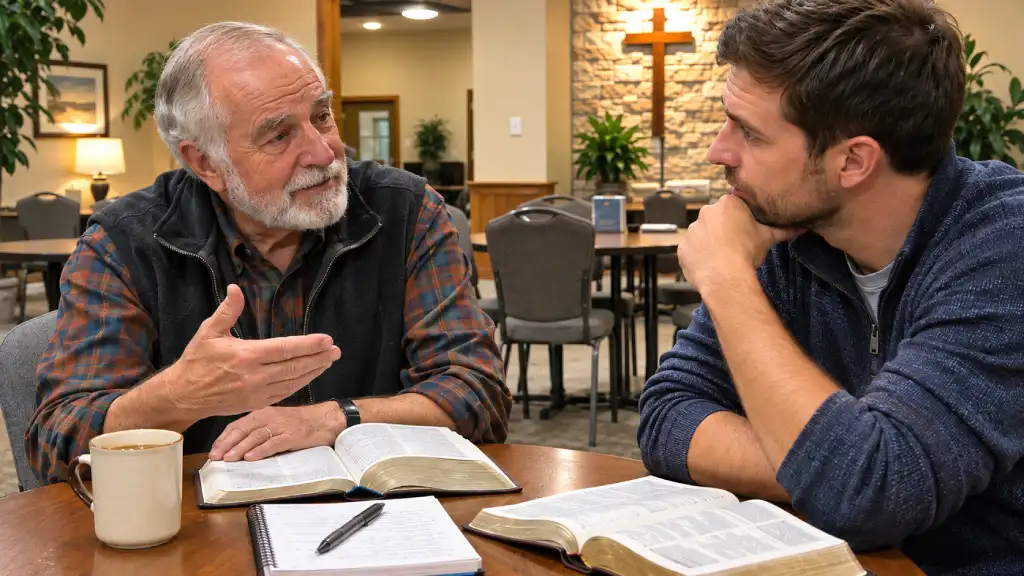
One of the greatest needs in the church today is not another program, another conference, or another slick curriculum. Younger men need older men who are willing to walk with them, speak honestly into their lives, model what long-term faithfulness looks like, and help them navigate the years ahead with biblical wisdom. A younger Christian man can learn a great deal from books, sermons, podcasts, and classes, but there are lessons that are often best learned by watching a godly man who has already walked through marriage, fatherhood, career decisions, church conflict, temptation, failure, disappointment, suffering, repentance, and decades of following Christ.
Scripture assumes that this kind of generational discipleship should happen. Paul tells Titus that older men are to be “sober-minded, dignified, self-controlled, sound in faith, in love, and in steadfastness” (Titus 2:2). The point is not merely that older men should personally possess these qualities. Their mature character is meant to be visible to the younger believers around them. Paul gave Timothy a similar pattern when he wrote, “What you have heard from me in the presence of many witnesses entrust to faithful men, who will be able to teach others also” (2 Timothy 2:2). Biblical discipleship is designed to move from one generation to the next.
Older men, we desperately need you.
Younger Men Need Your Example
Young men hear plenty of advice. What they need even more is something worth imitating.
Paul could say in 1 Corinthians 11:1, “Be imitators of me, as I am of Christ.” That is an incredibly serious statement. Paul was not claiming perfection, but he lived in such a way that younger believers could watch his life and see what following Jesus looked like in practice.
An older man can teach a younger man about marriage by explaining Ephesians 5, but there is tremendous power in seeing him love the same woman faithfully after thirty-five years. He can teach about church commitment, but it carries additional weight when the younger man knows he has served quietly through difficult seasons without constantly threatening to leave. He can speak about prayer, but there is something deeply instructive about hearing an older brother pray with the steady confidence of someone who has depended upon God through decades of both blessing and loss.
Younger men need to see what faithfulness looks like after the initial excitement has worn off. They need to see a man who still loves Christ when he is sixty-five, seventy-five, or eighty-five. They need proof that Christian maturity can deepen with age rather than gradually turn into cynicism, spiritual laziness, or constant complaining about how much better everything used to be.
Younger Men Need Your Honesty About Failure
One of the greatest gifts an older man can give a younger one is honesty about the mistakes he made along the way.
Older men sometimes feel pressure to present themselves as though they always had everything figured out. That does not help younger men nearly as much as you may think. A thirty-year-old husband who is struggling in his marriage may benefit enormously from hearing a sixty-year-old man say, “I made that same mistake, and here is what God taught me.”
Tell him about the years when your priorities were wrong. Tell him about the pride that damaged relationships. Tell him about the career decision you would handle differently today. Tell him about how selfish you were during the early years of marriage or how you mishandled discipline with your children. Tell him how you learned to repent.
There is a difference between glorifying past sin and honestly explaining how God’s grace met you in it. Paul openly remembered that he had once persecuted the church, yet he used that history to magnify the mercy of Christ. He wrote, “Christ Jesus came into the world to save sinners, of whom I am the foremost” (1 Timothy 1:15).
Older Christian men have scars. Do not hide all of them. Some of those scars may become warning signs that keep a younger man from walking straight into the same ditch.
Younger Men Need Correction, Not Constant Approval
A good mentor does not merely tell a younger man how great he is, but offers honest and gracious correction.
We live in a culture that often treats correction as hostility. But biblical discipleship sees correction as love. Proverbs 27:6 says, “Faithful are the wounds of a friend; profuse are the kisses of an enemy.” A faithful brother is sometimes willing to say what nobody else will.
Younger men need older men who can look them in the eye and say, “Brother, you are being selfish with your wife.” They need someone who will confront tough topics like pornography, laziness, pride, anger, financial foolishness, dishonesty, weak church involvement, or whatever else may be quietly wrecking their spiritual lives.
That correction should be given with humility and love. An older man should remember that he also needs grace and is capable of sin. But humility does not mean silence.
I have known situations where everyone could see that a younger man was heading toward disaster, yet very few people were willing to say anything because they did not want an inevitable and uncomfortable conversation with him.
Avoiding that conversation is not kindness. If you truly love a younger brother, sometimes you have to risk irritating him. He may not appreciate it immediately, but years later, he may thank God that you cared enough to speak.
Younger Men Need Encouragement
Correction is highly important, but younger men also need lots of encouragement from older men they respect.
Whether or not you remember it when you were their age, many young men are far more insecure than they appear. They may be trying to figure out marriage, career, finances, fatherhood, ministry, and their own spiritual maturity all at once. They see older men who appear settled, strong, and confident and assume those men were always that way.
Sometimes a younger man needs to hear, “Hey, you are doing better than you think.” He needs an older man to notice that he is faithfully loving his wife, working hard, serving at church, or taking spiritual responsibility for his children. The Apostle Paul repeatedly encouraged the believers he discipled in his letters. Paul did not merely identify what was wrong. He thanked God for evidence of grace in their lives and urged them to continue growing.
Older men, do not underestimate the influence of a few sincere words spoken at the right moment. A younger man may remember your encouragement for decades.
Younger Men Need Your Time
You do not need to create a complicated mentorship “program” or “structure” before investing in someone.
Just do something simple. Take a younger man out for coffee. Invite him out to lunch. Take him and a few other Christian buddies of yours out to play pool. Have him help you with a project. Bring him along while you run an errand. Sit beside him after church and shoot the breeze. If he’s married, ask him how his marriage is going and then actually listen to the answer.
Jesus discipled His followers through teaching, but He also spent enormous amounts of ordinary life with them. They walked together, ate together, traveled together, talked together, and experienced ministry together for over three years. Discipleship often happens in those ordinary, everyday spaces.
Some older men assume that younger men should initiate the relationship. Yes, sometimes they will, but most will not. They may assume you are too busy, uninterested, or that you would rather spend time with people your own age. You need to go and find them. If you see a younger man who appears serious about following Christ, tell him, “Let’s get together sometime.” Then actually schedule it!
Younger Men Need Wisdom About Marriage and Family
There are few areas where an experienced Christian man can provide more value than marriage and fatherhood.
A young husband may sincerely love his wife and still have no idea what he is doing. He may not understand how selfish he is. He may let anger compound throughout the day and lash out at other drivers in traffic or blow up at his wife. He may react poorly to conflict, struggle to communicate, work too much, or fail to recognize how much responsibility his wife is carrying. An older man who has learned through decades of marriage can help him see things earlier.
Likewise, young fathers need perspective. When you are exhausted from toddlers, diapers, discipline, homework, sports practices, and endless questions, it can feel as though this stage of life will last forever. An older father knows how quickly it disappears.
Tell younger dads to put the phones down. Tell them to enjoy bedtime stories with their kids. Tell them to pray with their wife and children. Tell them not to sacrifice their families on the altar of career success. Tell them to apologize when they sin against their kids. Tell them what you wish someone had told you.
Younger Men Need to See You Finish Well
Perhaps the greatest gift an older Christian man can give younger men is finishing faithfully.
Young men have seen enough Christian leaders fall. They have watched pastors and other ministry leaders destroy ministries through sexual sin, arrogance, financial scandal, and abuse of power. They have watched older men become bitter, disengaged, cynical, or spiritually lazy.
They need something better to watch!
Paul’s words near the end of his life should be the ambition of every Christian man: “I have fought the good fight, I have finished the race, I have kept the faith” (2 Timothy 4:7).
There is enormous power in an elderly man who still loves Jesus. He may move more slowly. His health may not be what it once was. His role in the church may have changed. He may no longer be the man leading every ministry or making every decision. But he is still praying, still worshiping, still encouraging younger believers, still loving his wife, still opening his Bible, and still following Christ.
That kind of man leaves a legacy far greater than anything he could write on a resume.
Older Men, We Need You
The church does not merely need older men occupying seats. We need older men investing themselves in the generations coming behind them.
You have lived through things younger men have not experienced yet. You know something about raising children, surviving disappointment, recovering from failure, enduring difficult seasons, losing people you love, remaining faithful in marriage, and watching God provide in ways you did not expect.
Do not take that wisdom to the grave. Find a younger man and give some of it away.
You do not need to have all the answers. You do not need a seminary degree. You do not need to pretend you have lived a flawless Christian life. You need to love Christ, know His Word, remain teachable yourself, and be willing to walk beside another man.
And younger men, do not wait around complaining that nobody is discipling you. Look around your church for faithful older men. Do not merely seek the most charismatic or impressive guy in the room. Find the man who has quietly loved one wife for forty years, faithfully served his church, raised children who know he loves them, endured suffering without abandoning Christ, and still opens his Bible with hunger.
Meet him for coffee. Ask him questions. Listen to his stories. Learn from his mistakes. Watch his life.
Then, by God’s grace, become the kind of man another generation will eventually want to learn from.